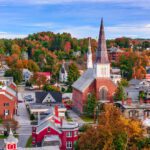
Skip the crowds in Aspen and Jackson Hole; the best mountain getaways are found in quiet, under-the-radar towns where you can actually hear the wind in the pines. The United States is filled with high-altitude retreats that offer fresh air, striking views, and genuine peace without the premium price tags or bumper-to-bumper traffic. Whether you want to explore a remote Victorian village in the Ozarks, an artsy enclave nestled in the Blue Ridge Mountains, or a historic mining outpost hidden deep in the Rockies, these nine destinations deliver a restorative escape. Pack your bags, silence your cell phone, and head for these hidden mountain towns for your next weekend getaway.

What Makes a Mountain Town Truly “Hidden”?
Finding a peaceful mountain destination requires looking past the major ski resorts and national park gateways that dominate glossy travel brochures. A genuinely quiet getaway usually involves venturing an hour or two off the interstate. These towns share a few common traits that make them ideal for a relaxing retreat.
- Limited population: Most of these communities hover between 500 and 3,000 year-round residents, creating an intimate, walkable atmosphere.
- Independent economies: Rather than relying on massive corporate ski conglomerates, these towns support independent boutiques, local diners, and family-run bed-and-breakfasts.
- Unique topography: Geographic isolation—such as being nestled in a box canyon or situated at the end of a long scenic byway—naturally filters out casual day-trippers.
- Historical preservation: Many of these communities boomed during 19th-century mining or timber rushes and have since meticulously preserved their heritage architecture.

9 Scenic Mountain Towns Worth the Drive

1. Creede, Colorado
Tucked into a dramatic volcanic caldera in the San Juan Mountains, Creede sits at an elevation of 8,799 feet. This former silver mining boomtown is incredibly secluded, housing a year-round population of fewer than 300 residents. You reach Creede by driving the Silver Thread Scenic Byway, a breathtaking route that winds past river canyons and high-alpine passes.
Once in town, grab a coffee and stroll past the remarkably preserved 1890s storefronts. Drive the Bachelor Loop, a 17-mile unpaved route that takes you past abandoned silver mines and old ghost towns perched precariously on steep mountain slopes. Because Creede lacks a massive commercial ski resort, the town remains blissfully quiet, drawing artists, history buffs, and fly-fishing enthusiasts who appreciate the serene upper Rio Grande.

2. Joseph, Oregon
Nestled at the base of the Wallowa Mountains in the northeastern corner of the state, Joseph is frequently called the “Little Switzerland of America.” The drive to get here requires navigating the long, lonesome stretches of Oregon Route 82, ensuring that only dedicated travelers make the trip. With a population of roughly 1,200, Joseph greets you with a main street lined with monumental bronze sculptures crafted at local foundries.
According to Travel Oregon, one of the best ways to grasp the sheer scale of the landscape is by riding the Wallowa Lake Tramway. The gondola climbs 3,700 vertical feet to the summit of Mount Howard, dropping you at an elevation of 8,241 feet. Up top, you can enjoy a quiet lunch while gazing out across the Eagle Cap Wilderness and the distant peaks of Idaho.

3. Thomas, West Virginia
Perched high in the Potomac Highlands at an elevation of roughly 3,000 feet, Thomas is a former coal town that has reinvented itself as a haven for artists, musicians, and outdoor enthusiasts. With a population hovering around 600, this tiny Tucker County community boasts an outsized cultural footprint. Historic brick storefronts cling to the steep hillside, housing independent art galleries, antique shops, and a celebrated live music venue inside the Purple Fiddle.
Just minutes away sits Blackwater Falls State Park, home to a magnificent 62-foot waterfall. The water cascades into a rugged canyon, taking on a unique amber tint from the natural tannins of fallen hemlock and red spruce needles. Thomas offers a cool, breezy summer climate and spectacular fiery foliage in the autumn, making it a perfect retreat from the East Coast heat.

4. Sylva, North Carolina
If you love the cultural vibe of Asheville but want to avoid the crushing traffic and long restaurant waits, drive an hour southwest to Sylva. Situated in the Plott Balsam Mountains at an elevation of 2,051 feet, this town of 2,600 residents offers a laid-back alternative to the typical Blue Ridge tourist hubs. Sylva features a highly walkable downtown stacked on a hillside, culminating in the historic Jackson County Courthouse, which sits atop 107 steps and offers a commanding view of the valley below.
The town boasts an impressive ratio of independent bookstores and microbreweries per capita, giving it an unmistakable intellectual and creative energy. You can spend your morning hiking the rigorous trails at Pinnacle Park, and your afternoon browsing shelves of regional literature and listening to local bluegrass.

5. Grand Marais, Minnesota
While most people associate mountain towns with the Rockies or Appalachians, the Sawtooth Mountains of northern Minnesota offer a rugged, dramatic escape along the shores of Lake Superior. Grand Marais, with a population of roughly 1,300, serves as the ultimate basecamp for the remote Gunflint Trail and the Boundary Waters Canoe Area Wilderness.
The town embraces its Scandinavian heritage and frontier spirit. At the North House Folk School, situated right on the harbor, you can watch artisans teach traditional northern crafts ranging from timber framing to birchbark weaving. Watch the sun rise over the Grand Marais Lighthouse, enjoy a locally caught whitefish dinner, and listen to the waves crash against the rocky breakwaters.

6. Eureka Springs, Arkansas
Deep in the Ozark Mountains lies a town so perfectly preserved that its entire city limits are listed on the National Register of Historic Places. Eureka Springs built its reputation in the late 19th century as a Victorian health resort, drawing thousands who sought the legendary healing waters of its natural springs.
Today, this community of 2,100 residents is famous for its steep, winding streets that wrap around the mountainous terrain—there are no traffic lights anywhere in town. Arkansas Tourism notes that the unique topography means no two streets intersect at a traditional 90-degree angle. Spend your days exploring hidden staircases, touring striking limestone architecture like the Thorncrown Chapel, and enjoying the relaxed, eclectic atmosphere.

7. Wallace, Idaho
Hidden in a deep, pine-thick canyon in the Bitterroot Mountains, Wallace is a living museum of the American West. Founded in 1884, this town of 800 residents is nestled in the Silver Valley, an area that has produced over a billion ounces of silver. Like Eureka Springs, every building in downtown Wallace is listed on the National Register of Historic Places.
Wallace perfectly balances its gritty mining history with modern outdoor recreation. You can tour an underground hard-rock mine, visit a preserved 1980s bordello museum, and then rent a mountain bike to ride the Route of the Hiawatha. This world-class rail trail sends you through a series of long mountain tunnels and over soaring train trestles, offering unparalleled views of the Idaho panhandle.

8. Idyllwild, California
Southern California is famous for its beaches and deserts, but head two hours east of Los Angeles into the San Jacinto Mountains, and you will find the tranquil, pine-scented community of Idyllwild. Sitting at an elevation of 5,400 feet, this town of 4,100 residents provides a sharp contrast to the palm trees and traffic below.
Unlike nearby Big Bear, Idyllwild has no ski resorts. This lack of winter sports infrastructure successfully keeps the massive seasonal crowds away, maintaining the town’s quiet, rustic character. Known for its massive cedar trees and imposing granite monoliths like Tahquitz Rock, Idyllwild is a paradise for serious rock climbers, day hikers, and anyone who wants to rent an A-frame cabin and read a book by the fire.

9. Red Lodge, Montana
Situated at the base of the towering Beartooth Mountains, Red Lodge offers genuine Western charm without the overwhelming commercialization found in other Yellowstone gateway towns. With a population of about 2,250, Red Lodge features a historic red-brick downtown filled with independent gear shops, bakeries, and local taverns.
The town serves as the starting point for the Beartooth Highway. The USDA Forest Service manages portions of this 68-mile drive, which climbs over a 10,900-foot alpine plateau before dropping into Yellowstone National Park. While the town hums with road-trippers in the peak summer months, it transforms into a quiet, deeply peaceful retreat from October through May when the pass closes for the winter.

Comparing Your Mountain Destinations
Use this quick reference guide to choose the town that best aligns with your travel style and seasonal preferences.
| Destination | Mountain Range | Elevation | Best Feature |
|---|---|---|---|
| Creede, CO | San Juan Mountains | 8,799 ft | Remote 19th-century silver mining history |
| Joseph, OR | Wallowa Mountains | 4,190 ft | Tramway access to an 8,241-foot summit |
| Thomas, WV | Potomac Highlands | 2,986 ft | Live music and massive waterfalls |
| Sylva, NC | Plott Balsams | 2,051 ft | Walkable downtown with bookstores and breweries |
| Grand Marais, MN | Sawtooth Mountains | 610 ft | Lakeside artisan culture and folk schools |
| Eureka Springs, AR | Ozark Mountains | 1,421 ft | Victorian architecture and winding staircases |
| Wallace, ID | Bitterroot Mountains | 2,854 ft | World-class rail trails and historic brick buildings |
| Idyllwild, CA | San Jacinto Mountains | 5,413 ft | Quiet alpine forests without ski-season traffic |
| Red Lodge, MT | Beartooth Mountains | 5,568 ft | Gateway to the high-altitude Beartooth Highway |

Common Mistakes to Avoid
Mountain travel comes with unique logistical challenges. Keep these practical considerations in mind before you hit the road.
- Ignoring road closure dates: High-altitude passes like the Beartooth Highway in Montana and the upper reaches of the Silver Thread Byway in Colorado shut down entirely during the winter. Always check state Department of Transportation websites before planning a shoulder-season trip.
- Relying exclusively on cell phone maps: Signal strength vanishes quickly in steep terrain like the river canyons outside Wallace or the deep valleys of the Ozarks. Download offline maps or pack a physical road atlas to prevent getting lost on backcountry roads.
- Underestimating the altitude: Driving straight from sea level to 8,800 feet in Creede can cause headaches, fatigue, and altitude sickness. Drink plenty of water and plan for a low-impact schedule during your first 24 hours.
- Assuming you can get a table anywhere: Small towns have limited restaurant capacities. A dining room that seats 30 people will fill up fast on a Friday night, even in the off-season. Call ahead for reservations or plan to eat dinner on the early side.
Editorial Note: Mountain weather can shift rapidly. A sunny morning at 5,000 feet can easily turn into a snowy, freezing afternoon once you cross the 8,000-foot mark. Always pack moisture-wicking layers and verify local road conditions before setting out on scenic drives.
Frequently Asked Questions
Do I need a four-wheel-drive vehicle to visit these towns?
During the summer and early fall, a standard two-wheel-drive vehicle is perfectly fine for reaching the main downtown areas of all these destinations. However, if you plan to visit high-elevation towns like Creede, Red Lodge, or Idyllwild between November and April, a four-wheel-drive or all-wheel-drive vehicle equipped with snow tires is highly recommended—and sometimes legally required during storms.
Which of these hidden mountain towns is best for retirees?
Sylva, North Carolina, and Eureka Springs, Arkansas, are particularly popular with older travelers. Both towns offer rich cultural scenes, moderate elevations, and milder winter climates compared to the deep snows of the Rockies or the Bitterroots. Their highly walkable commercial districts also make it easy to enjoy a leisurely afternoon without requiring rigorous hiking.
Are these towns fully accessible year-round?
The towns themselves remain open, but the experience changes dramatically by season. Red Lodge and Joseph offer robust summer tourism but quiet down significantly in the winter when certain scenic routes and businesses close. Conversely, towns like Thomas and Idyllwild maintain steady, year-round weekend traffic due to their proximity to major East Coast and West Coast population centers.
Finding the right mountain town is about matching your travel pace to the landscape. Whether you are spending the day learning traditional crafts on the shores of Lake Superior, riding a gondola above the Oregon tree line, or drinking coffee on a quiet Victorian porch in the Ozarks, stepping away from the major tourist hubs pays massive dividends. Pack your hiking boots, leave your itinerary open, and let the slow pace of a small mountain community recharge your batteries.
This article provides general information only. Every reader’s situation is different—what works for others may not be the right fit for you. For personalized guidance on health, legal, or financial matters, consult a qualified professional.
Last updated: May 2026. Rules, prices, and details change—verify current information with official sources before acting on it.